
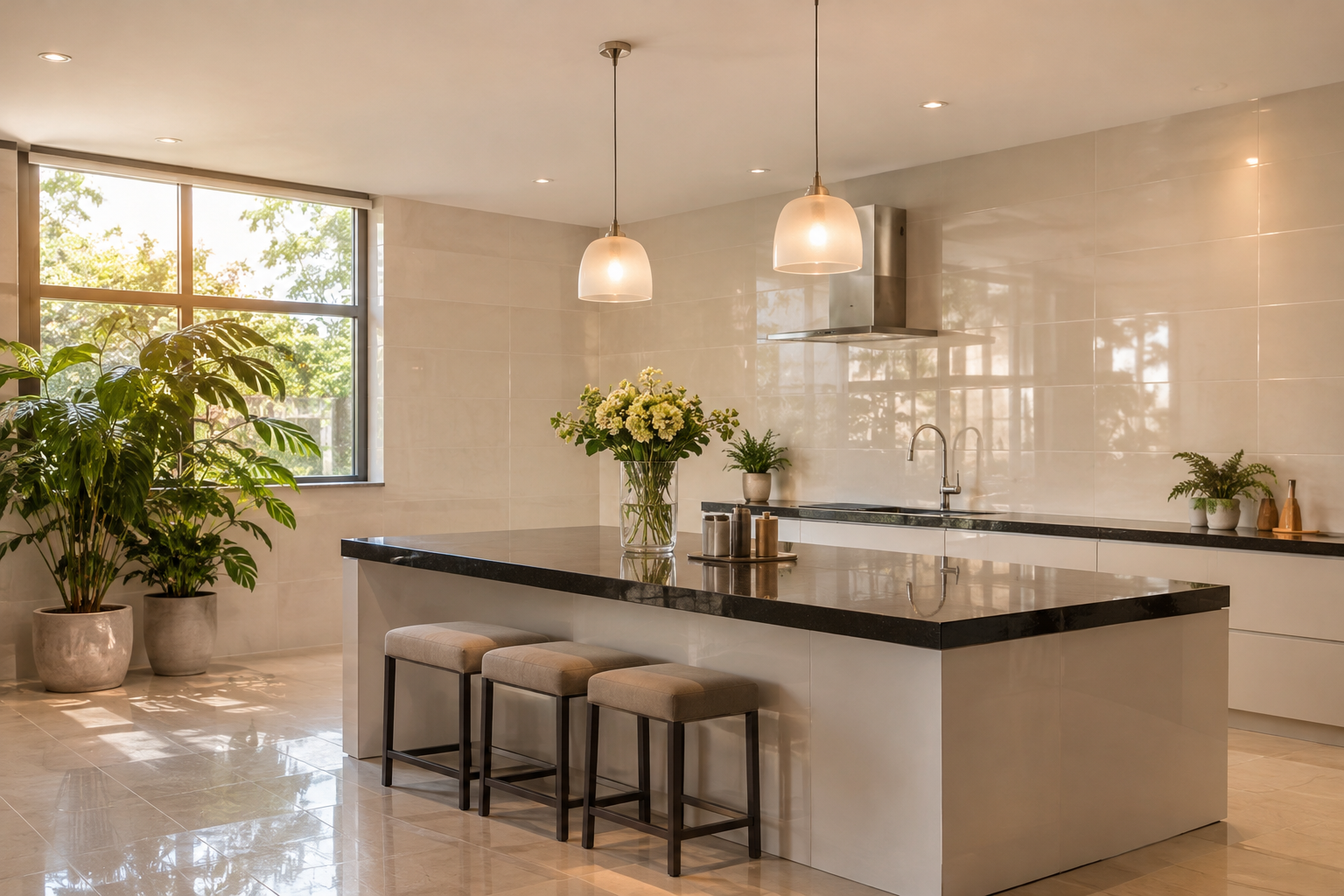
High-gloss tiles are a favorite among designers and homeowners seeking to infuse their spaces with a touch of elegance and modern flair. However, lighting plays a crucial role in determining the overall impact of these tiles. When used effectively, lighting can highlight the inherent beauty and sheen of high-gloss tiles. But without strategic placement, glare may become an issue, potentially detracting from the desired ambiance.
Considering the bright and airy aesthetics prevalent in luxury spaces throughout Colorado's design landscapes, understanding how to control lighting glare on high-gloss tiles is essential. At Decorative Materials, we're dedicated to helping you create spaces that look undeniably stunning and exude sophistication.
Controlling Lighting for High-Gloss Tile Perfection
The brilliance of high-gloss tiles lies in their reflective surface, which can make spaces appear larger and more luminous. To harness this advantage, it's important to consider the type and arrangement of lighting. Soft, diffused lights can mitigate harsh reflections. Recessed ceiling lights, with their subtle glow, are particularly effective in spaces like kitchens or bathrooms, where task lighting is key. This choice prevents direct light from striking the tiles, reducing glare while maintaining a sleek, modern look.
In luxury settings such as LoDo or Boulder, where aesthetic appeal is paramount, pendant lighting becomes an essential design tool. By selecting fixtures with matte finishes or frosted glass, glare can be minimized. This approach balances direct illumination with the ambient light that enhances the reflective quality of high-gloss tiles, ensuring that spaces like expansive entryways or open-plan living rooms shine beautifully without the harsh overtones of glare.
The Role of Natural Lighting
Incorporating natural lighting can significantly affect the interaction with high-gloss tiles. Large windows or skylights that let in soft, filtered sunlight are ideal. This natural light complements high-gloss surfaces, creating a dynamic interplay of reflections that shift with the changes in daylight without overwhelming the space with glare.
For homes nestled in Hilltop or Cherry Creek, optimizing natural lighting aligns with the area's affinity for open, inviting environments. Pairing high-gloss tiles with strategically placed plants or architectural features can diffuse sunlight naturally, providing the dual benefit of aesthetic beauty and functional lighting design.
Layering Light Sources for Depth and Dimension
Layering different sources of light can transform any room featuring high-gloss tiles into a masterpiece of design. By combining ambient, task, and accent lighting, you can craft a nuanced space that plays with depth and dimension. Wall sconces with directional light, for instance, can project across high-gloss surfaces, creating subtle shadow effects that add visual interest.
In sophisticated locales like Aspen, where rooms often serve as showcases for design innovation, layering provides both functionality and drama. Consider adjustable accent lights to spotlight artwork or architectural details while blending harmoniously with the high-gloss backdrop, ensuring the overall composition remains balanced and glare-free.
FAQs About High-Gloss Tiles and Lighting
What design styles work well with high-gloss tiles?
High-gloss tiles complement minimalist, contemporary, and modern design styles, thanks to their sleek finish and reflective quality.
How can I incorporate multiple tile types effectively?
Layering different textures, such as combining high-gloss tiles with matte or natural stone, can add depth and sophistication while enhancing visual interest.
What's trending in luxury tile design?
Recent trends include a mix of materials like ceramic zellige and porcelain alongside high-gloss finishes to create textural contrasts and dynamic spaces.
Ready to bring your vision to life? Contact a Design Consultant at Decorative Materials to explore our curated collections and receive personalized guidance for your project.