
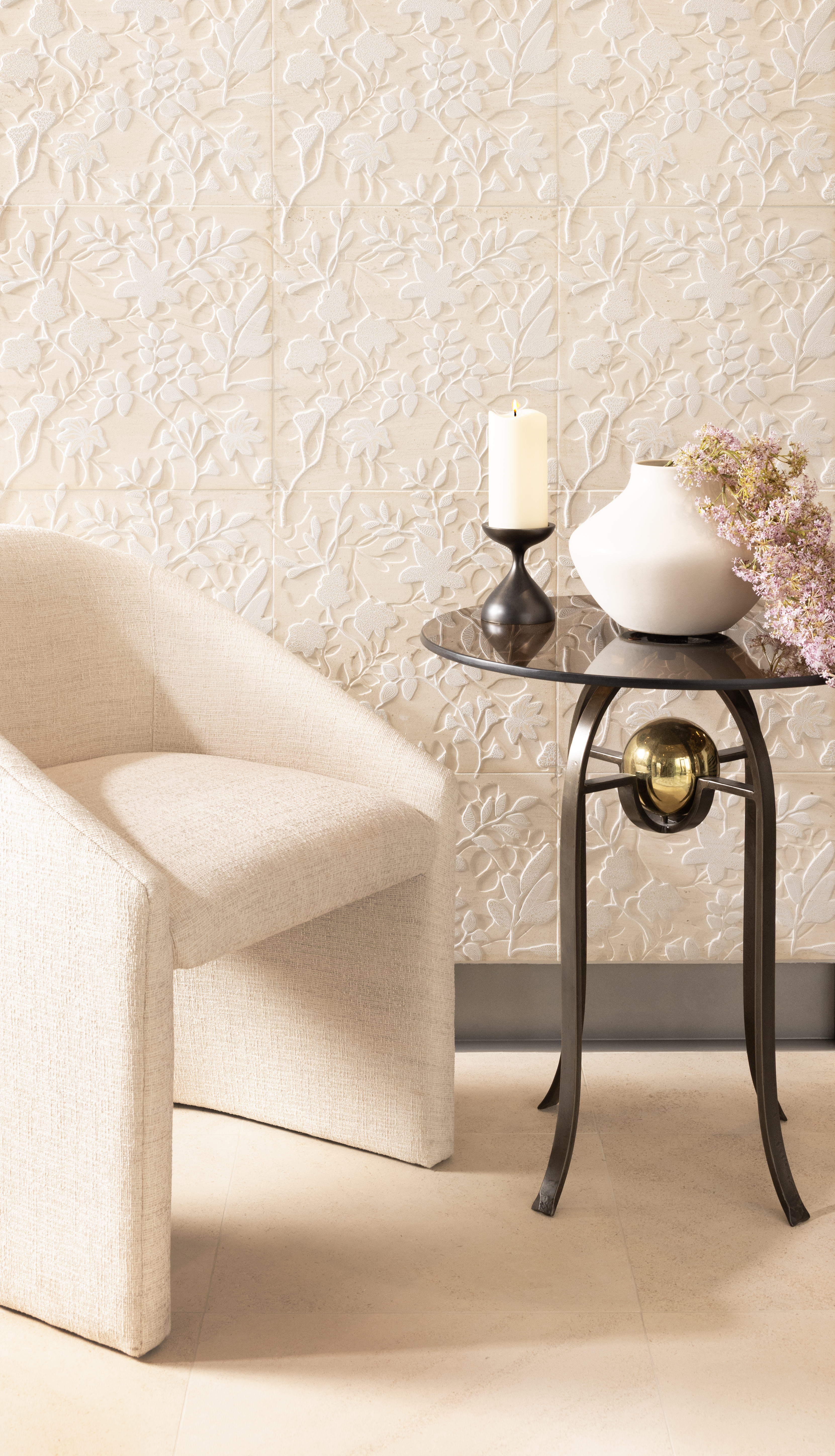
In the stunning landscapes of Colorado, mountain architecture thrives on the harmonious blend of natural beauty and crafted sophistication. A defining element in this blend is texture—a vital component that breathes life into design, bringing depth and character to every space. At Decorative Materials, we understand the allure of texture and its powerful role in creating dynamic and inviting interiors. Join us as we explore how texture transforms mountain architecture into a tapestry of elegance and warmth.
The Allure of Natural Stone: Marble, Limestone, and Quartzite
The use of natural stone is fundamental to capturing the essence of mountain architecture. Marble, with its timeless appeal, offers a luxurious texture through its polished finish and striking veining. This elegance is perfect for creating show-stopping features in any home. In contrast, limestone provides a softer, more tactile finish, enhancing spaces with its warm earth tones and subtle textures. Quartzite merges strength with beauty, delivering a textured surface ideal for creating focal points in kitchens and bathrooms. With these versatile stones, designers can play with texture to evoke the natural beauty of the Colorado landscape.
Porcelain Interpretations: The Magic of Design Versatility
Porcelain tiles bring remarkable versatility to mountain architecture, with designs ranging from stone-look to wood-look finishes. A popular choice for its durability and adaptability, porcelain allows for creative expression without compromising on functional needs. Large format porcelain tiles can mimic the texture of natural materials, offering a seamless indoor-outdoor flow that echoes the rugged beauty of Colorado’s outdoors. Textured porcelain can enhance a cozy mountain retreat, adding layers of interest to floors and walls.
Ceramic and Glass: Harmonizing Texture with Light
Ceramic and glass tiles are pivotal in manipulating light and texture within a space. Hand-painted ceramic tiles like zellige add a handcrafted touch, with their subtle variations in texture and color bringing warmth and personality. Glass tiles, with their sleek and reflective surfaces, introduce a contrasting texture that plays beautifully with light, creating an airy and open feel. These materials allow designers to infuse spaces with vibrant hues and shimmering textures that complement the grand vistas of mountain architecture.
Artful Accents: Mosaics and Metal
Mosaics and metal tiles are the artistic accents that bring a unique edge to mountain architecture. Whether used for entire floors or as intricate details, mosaics introduce a captivating layer of texture. Metal tiles offer a modern yet rustic feel, blending seamlessly with natural elements while providing a touch of industrial charm. These accents allow designers to craft spaces that are both visually stunning and richly textured.
FAQ
What design styles work well with marble?
Marble complements a range of design styles, from classic and traditional to sleek and modern, making it incredibly versatile.
How can I incorporate multiple stone types?
Combining different stones like marble, limestone, and quartzite can add depth and interest. Consider contrasting colors and finishes to create a cohesive yet diverse look.
What's trending in luxury stone design?
Current trends focus on the natural beauty of stone, emphasizing varied textures and custom patterns to create unique, personalized spaces.
What are the benefits of using mosaics?
Mosaics offer the flexibility of creating intricate patterns and textures, perfect for adding artistic flair to floors and walls.
How do ceramic and glass tiles enhance a space?
They add dynamic texture and shine, creating an interplay of light and color that enhances both small and large areas.
Ready to bring your vision to life? Contact a Design Consultant at Decorative Materials to explore our curated collections and receive personalized guidance for your project.